

The Vasectomy Reversal Procedure
Microsurgical Vasectomy Reversal: Vasovasostomy & Vasoepididymostomy
In an effort to help educate our patients, we have provided a detailed explanation of the vasectomy reversal process, including the microsurgical vasovasostomy and the more complex vasoepididymostomy.
Vasectomy Reversal Surgery Preparation
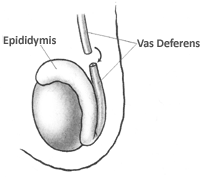
Vasovasostomy
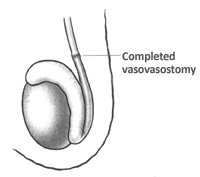
Microsurgical Vasectomy Reversal - Multi-layer Microdot Technique
Dr. Bastuba uses a high-powered surgical microscope for the vasovasostomy. Via a 1-inch incision on the original vasectomy site, six sutures of 10-0 or 11-0 (finer than a human hair) are used to reconnect the inner lumen (tubes) and the outer layer separately using the formal Multi-layer Microdot technique. The advanced Multi-layer Microdot vasectomy reversal technique has helped contribute to Dr. Bastuba’s high success rates, low risk of scarring and minimal recovery time for his patients.
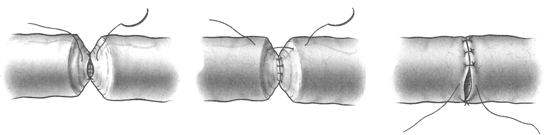
Vasoepididymostomy
In about 30% of Dr. Bastuba’s vasectomy reversal cases no vas fluid or low quality vas fluid is found during the procedure. In these cases, the more complex vas-to-epididymis surgery (vasoepididymostomy or VE) is required. During the procedure, Dr Bastuba expresses fluid from the vas deferens coming from the testicle. If there is no sperm in this fluid, it must be concluded that there is a blockage upstream closer to the testicle. This blockage will not allow sperm to pass through to the vas deferens. Therefore simply connecting vas deferens to vas deferens and performing a vasovasostomy does not make sense. Blockage in the epididymis upstream following a vasectomy may have been caused by inflammation, too much pressure in the epididymis or scarring at the time of the vasectomy. See Dr. Bastuba perform a vasoepididymostomy.
Microsurgical Two-suture Longitudinal Intussusception Technique (Microsurgical Longitudinal Intussusception Vasoepididymostomy)
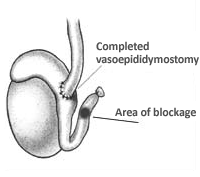
During a vasoepididymostomy, the vas deferens is connected directly to the epididymal tubule in the epididymis to bypass the blockage. This is one of the most complex and demanding procedures in microsurgery and only physicians who perform vasoepididymostomies on a regular basis should attempt the surgery. For Dr. Bastuba, this demanding procedure is routine and performed at no extra cost. His success rates for vasoepididymostomy are indistinguishable from those of the world’s foremost male fertility microsurgeons.
A Note on Laser Vasectomy Reversals
This is a technique which was popular in the1990s. Laser surgery works very well for select blood vessel surgery in cardiovascular microsurgical procedures. However, for vasectomy reversal, research showed that the laser success rates are not satisfactory. In fact, this technique may cause more complications and damage to the vasectomy reversal site. Dr. Bastuba does not perform this method of reversal.
Nitrous Oxide and the Pro-Nox System
MFS and FCC are introducing the use of nitrous oxide with the Pro-Nox System, a safe and effective analgesic method that has been used in hospitals and medical practices for decades. The system rapidly deploys a 50/50 mix of Oxygen and Nitrous Oxide to help ease a patient's pain and anxiety. This option will now be available for patients undergoing in-office procedural care at MFS and FCC. Learn more about nitrous oxide and the Pro-Nox system today.